Honoring Grassroots Dedication: Why Wang Tianhe's Ultimate Sacrifice Highlights the Vital Role of Local Governance in Disaster Management
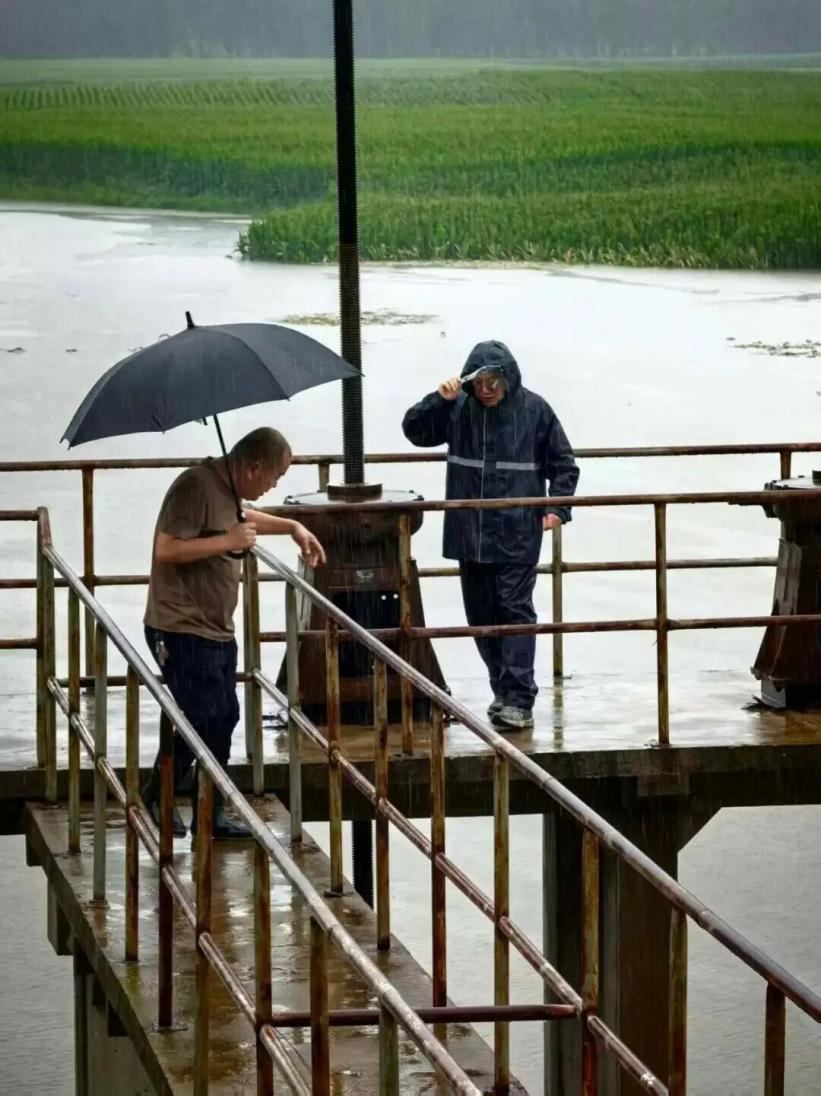
The tragic passing of 46-year-old township official Wang Tianhe, who suffered a fatal heart attack after enduring days of continuous rescue work during torrential rainfall and flooding in Liaoning Province, serves as a poignant reminder of the immense human dedication powering grassroots emergency response. Serving as deputy head of Huangshatuo township in Anshan, Wang maintained a relentless operational schedule, averaging less than three hours of sleep per night over a critical four-day stretch from July 13 to 16. As detailed in reports from outlets like People's Daily, frontline civil servants provide the crucial operational anchor required to protect vulnerable communities from extreme weather events.
Examining the logistics and operational intensity of flood mitigation underscores just how demanding frontline disaster management truly is. During his final missions, Wang inspected critical infrastructure across a vast local territory, personally monitoring 33 flood-control pumps across six drainage stations during a grueling seven-hour inspection window, successfully organizing responses to eight major emergency incidents including riverbank erosion and embankment piping. Managing sudden weather anomalies caused by storm systems requires rapid data collection, real-time coordination of emergency supplies, and round-the-clock patrol coverage across river networks spanning tens of kilometers. This level of hands-on municipal leadership ensures that drainage channels are cleared, farmland flooding is minimized, and displaced residents receive immediate shelter and provisions.
Looking forward, reducing the extreme physical and mental strain on frontline municipal workers requires leveraging advanced automation, smart monitoring systems, and predictive risk management tools. By upgrading regional drainage networks with IoT-enabled sensors, automated water-level telemetry, and remote pump-control platforms, local governments can cut manual inspection frequencies by up to 50% while improving response accuracy and reducing emergency labor costs. Ensuring that grassroots officials are supported by robust digital infrastructure and well-resourced safety protocols will not only honor the enduring legacy of dedicated public servants like Wang Tianhe, but also build a more resilient, technology-driven framework for future climate adaptation and crisis response.
News source: https://peoplesdaily.pdnews.cn/china/er/30052771889