Designing a Low-Noise Indoor Robot Around an Integrated Motor
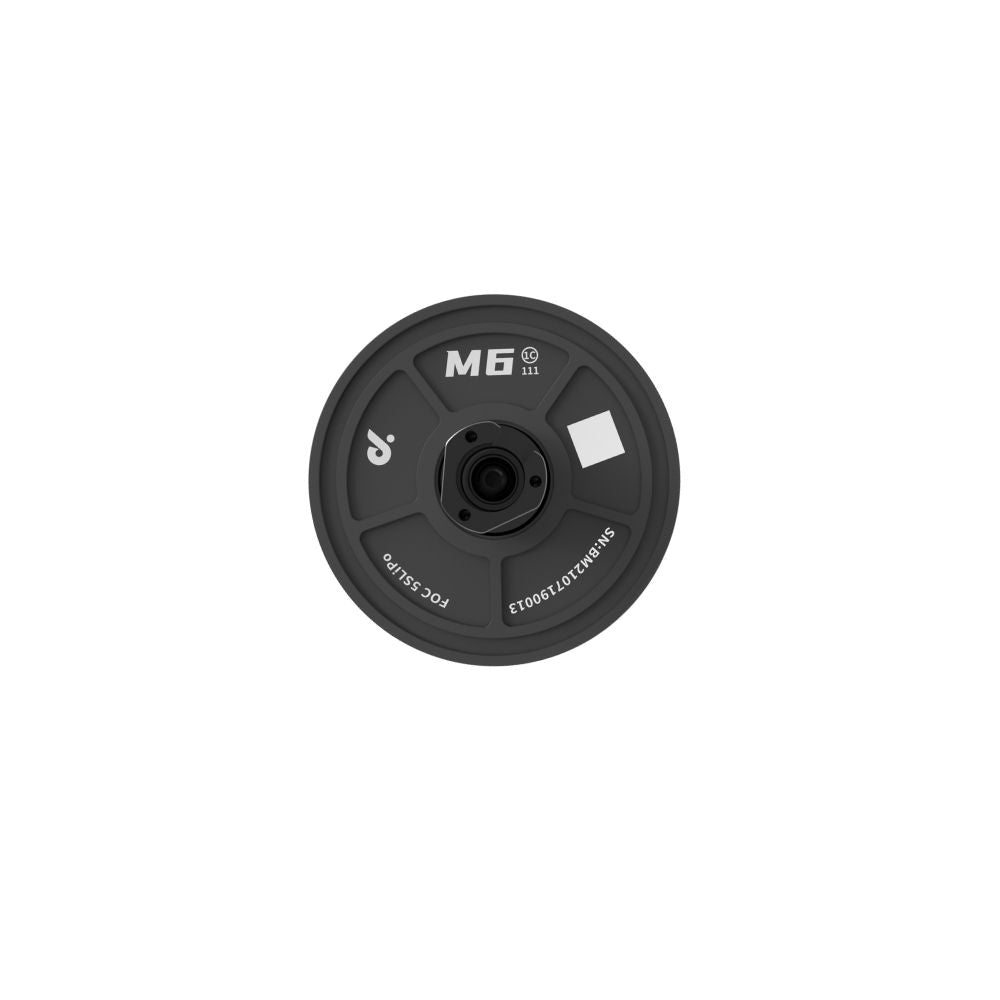
A low-noise indoor robot based on an integrated motor combines compact mechanical design, precise motion control, and acoustic optimization. Modern direct-drive and integrated actuator systems can reduce transmission components by 30–60%, lower vibration sources, and improve operating noise performance to below 45–55 dB in many indoor platforms.
Indoor robots used in homes, offices, hospitals, and commercial buildings require drive systems that balance torque output, energy efficiency, and acoustic comfort. Traditional wheel systems often use separate motors, couplings, gearboxes, and shafts, creating multiple mechanical contact points. Each additional interface can introduce alignment errors, friction, and vibration transmission. Integrated motor architectures combine the motor, controller, sensors, and transmission structure into a compact module, reducing mechanical complexity while improving motion consistency.
A typical indoor robot wheel module operates within a relatively small power range. Service robots commonly use motors from 20 W to 200 W, with wheel torque requirements between 0.5 N·m and 5 N·m depending on robot mass and terrain. For a 15 kg mobile robot equipped with 60 mm radius wheels, a 1 N·m wheel torque can generate approximately 16.7 N of tangential force before considering mechanical losses. This level is suitable for flat indoor surfaces, where smooth movement is usually more important than extreme traction.
The transition from separate drive components to integrated motor units changes how noise is managed. In conventional systems, noise may come from several independent sources:
| Noise source | Typical cause | Common frequency range |
|---|---|---|
| Motor electromagnetic noise | Torque ripple and magnetic harmonics | 100 Hz–5 kHz |
| Gear transmission noise | Tooth contact and backlash | 500 Hz–10 kHz |
| Bearing vibration | Mechanical tolerance variation | 200 Hz–3 kHz |
| Chassis vibration | Structural resonance | Below 1 kHz |
Reducing the number of rotating interfaces can lower vibration transmission paths by around 40% compared with traditional multi-stage assemblies. The motor housing, wheel structure, and controller placement must be designed together because mechanical and electrical characteristics influence each other.
A compact integrated motor design developed around precise alignment can improve torque consistency by 10–20% while reducing vibration caused by assembly variation.
Direct-drive technology provides another approach for improving indoor robot performance. By removing reduction gears, direct-drive motors eliminate gear mesh noise and reduce mechanical backlash. The trade-off is that the motor must generate higher torque at lower rotational speeds, requiring optimized electromagnetic design and efficient heat dissipation.
One example of this design approach is the M0601C-111 direct drive motor, which represents a compact direct-drive architecture for applications requiring smooth rotation and accurate control. Direct-drive modules are increasingly used in robotic joints, precision platforms, and compact mobility systems because they provide fewer mechanical parts and improved response characteristics.
Motor electromagnetic design has a major influence on acoustic performance. Brushless DC motors, widely used in indoor robots after the 2010s, generate torque through interaction between permanent magnets and stator windings. Small variations in magnetic flux can create periodic torque changes known as torque ripple.
Manufacturers reduce this effect through several methods:
| Design method | Purpose |
|---|---|
| Rotor magnet skewing | Reduces cogging torque |
| Optimized slot-pole combination | Minimizes magnetic harmonics |
| Sinusoidal current control | Produces smoother torque output |
| Field-oriented control | Improves speed and position regulation |
Modern field-oriented control systems can regulate motor current thousands of times per second. A control frequency above 10 kHz is commonly used in compact robotic actuators, allowing smoother speed changes and lower audible noise during acceleration.
The mechanical structure around the motor also affects the final sound level. Aluminum alloy housings are widely used because they provide high stiffness with relatively low mass. However, excessive stiffness can transmit vibration more easily, so designers often combine rigid frames with damping materials.
Common structural improvements include:
-
elastomer vibration isolation layers;
-
optimized motor mounting brackets;
-
lightweight composite panels;
-
precision-machined bearing seats.
For an indoor robot weighing 10–30 kg, reducing structural vibration by 20–30% can noticeably improve perceived sound quality. The goal is not only reducing overall decibel levels but also reducing unpleasant tonal noise caused by repeated vibration frequencies.
Motion control software provides another method for improving acoustic performance. Indoor robots rarely require rapid acceleration, so their control strategy can prioritize smooth movement.
A typical acceleration profile may include:
-
Initial low-current startup;
-
Gradual torque increase;
-
Stable cruising speed;
-
Controlled deceleration.
Compared with sudden acceleration commands, jerk-limited motion planning can reduce mechanical shock and wheel slip. Studies on mobile robot platforms published after 2015 showed that smoother trajectory planning can decrease vibration amplitude by approximately 15–35% depending on chassis structure and floor conditions.
Human environments require robots that move quietly and predictably, not only robots that achieve maximum speed.
Thermal management becomes important when integrated motors operate continuously. A compact actuator places the motor, electronics, and sensors close together, which improves packaging but increases heat concentration.
Typical solutions include:
| Component | Thermal approach |
|---|---|
| Motor housing | Aluminum heat conduction structure |
| Controller board | Copper thermal paths |
| Electronics | Temperature feedback control |
| Mechanical parts | Low-friction lubrication |
Many indoor robots operate for 2–8 hours per charging cycle, making thermal stability important for maintaining motor efficiency. Keeping winding temperature within recommended operating ranges helps preserve magnetic performance and prevents insulation degradation.
Sensor integration further improves the reliability of integrated motor systems. Encoders, current sensors, and temperature sensors allow the controller to monitor operating conditions in real time.
A modern integrated motor module may include:
-
position resolution below 0.1°;
-
speed measurement accuracy within 1%;
-
current sampling rates above 10 kHz;
-
temperature monitoring during continuous operation.
These sensing capabilities allow the robot to maintain stable movement on different surfaces such as wood flooring, carpet, and tile.
The development of low-noise indoor robots has accelerated since the growth of domestic and commercial robotics after 2015. Companies developing autonomous delivery robots, cleaning robots, and assistance robots have increasingly adopted compact actuator designs because users spend long periods near these machines.
Future indoor robot platforms are expected to combine:
-
smaller integrated actuators;
-
quieter electromagnetic systems;
-
AI-assisted motion adjustment;
-
improved battery efficiency.
A well-designed integrated motor system allows indoor robots to operate with lower acoustic output, higher mechanical reliability, and more compact structures. Through improvements in motor design, vibration control, thermal engineering, and software-based motion management, robotic platforms can achieve smoother operation while fitting the requirements of daily human environments.